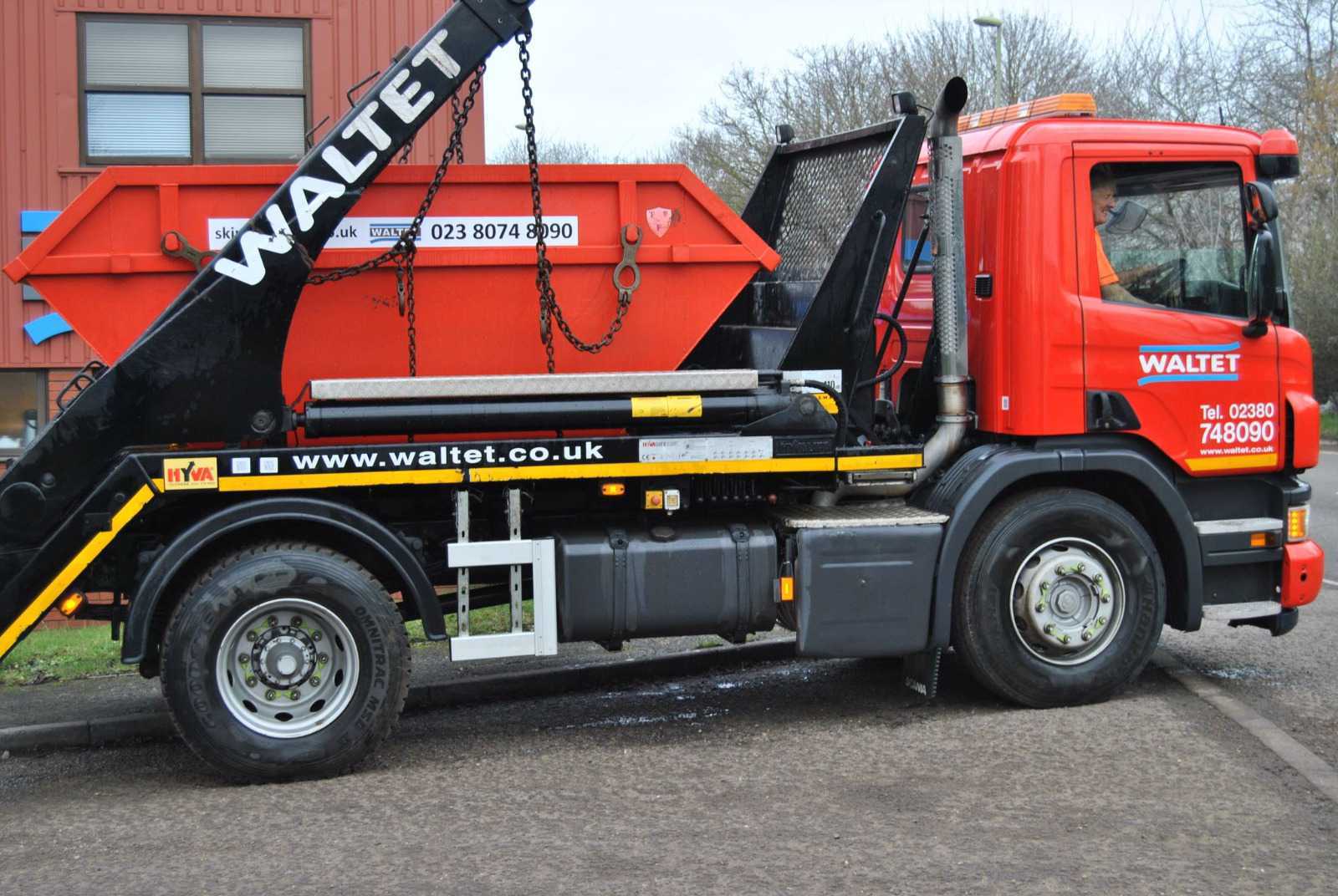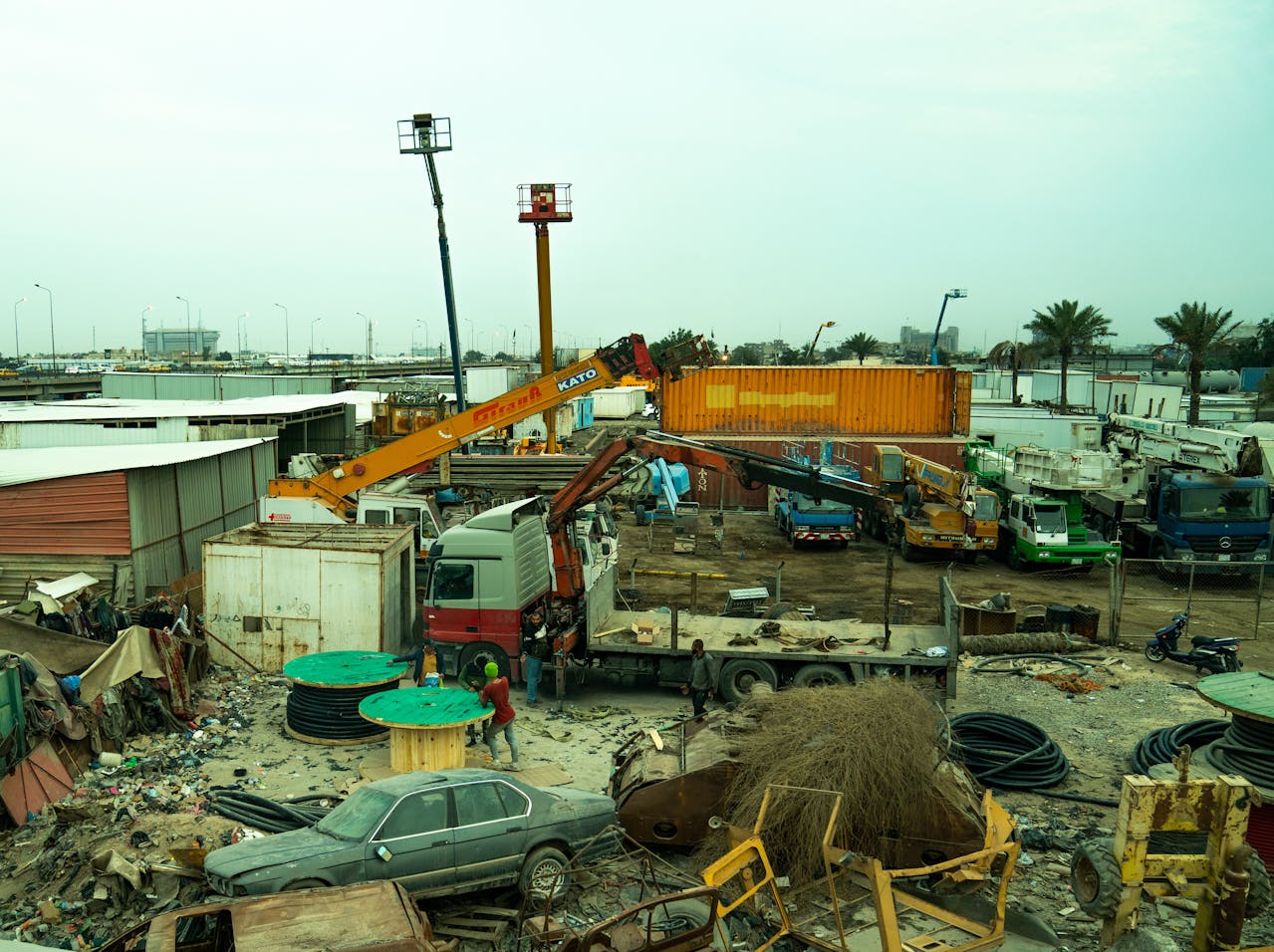
As the construction industry moves into 2026, sustainability is no longer a secondary consideration. It has become a core requirement driven by government policy, planning conditions, client expectations, and rising environmental awareness across the sector. From large infrastructure projects to local developments, construction companies are under increasing pressure to prove that their operations are efficient, responsible, and environmentally compliant.
At the centre of this shift sits recycling. In 2026, recycling is not just about diverting waste from landfill. It plays a critical role in helping construction businesses meet sustainability targets, control costs, and demonstrate long-term commitment to responsible building practices.
Why Sustainability Targets Matter More in 2026
Construction sustainability targets are becoming more structured, measurable, and enforceable. Developers, contractors, and site managers are now expected to align with:
-
Local authority sustainability requirements
-
Planning and environmental conditions
-
Corporate ESG and CSR commitments
-
Client-led sustainability benchmarks
-
Reduced landfill and carbon targets
In many cases, the ability to demonstrate high recycling rates and responsible waste handling directly influences whether projects are approved, funded, or awarded. In 2026, recycling performance is no longer optional. It is a key indicator of how seriously a construction business takes sustainability.
Recycling as a Foundation of Sustainable Construction
Recycling plays a foundational role in sustainable construction because it directly addresses one of the industry’s biggest environmental challenges: waste generation. Construction and demolition activities produce large volumes of material, including concrete, brick, soil, metal, timber, and packaging.
Without effective recycling, much of this waste would end up in landfill, increasing environmental impact and disposal costs. Recycling allows these materials to be recovered, processed, and reused, reducing reliance on virgin resources and lowering the overall footprint of construction projects.
In 2026, sustainable construction is built on the principle of resource efficiency, and recycling is one of the most practical ways to achieve it.
Reducing Landfill Dependency to Meet Targets
One of the most common sustainability targets across construction projects is landfill diversion. Clients and regulators increasingly expect clear evidence that waste is being recycled wherever possible and that landfill use is kept to an absolute minimum.
Recycling supports this by:
-
Separating recoverable materials from general waste
-
Processing inert waste into reusable aggregates
-
Redirecting green waste into composting
-
Recovering metals, timber, and plastics for reuse
High landfill diversion rates are now a key performance metric in sustainability reporting. In 2026, construction sites that fail to prioritise recycling risk falling behind both commercially and environmentally.
Supporting the Circular Economy in Construction
The circular economy is becoming a central concept in sustainability strategies across the construction sector. Rather than extracting, using, and disposing of materials, the focus is shifting towards reuse, recovery, and regeneration.
Recycling enables this transition by turning waste into usable products such as recycled aggregates, sands, and secondary materials. These materials can often be reused on-site or supplied back into local construction projects, reducing demand for new raw materials.
In 2026, construction companies that actively support circular economy practices through recycling are better aligned with national sustainability goals and future-proofed against tightening environmental regulations.
Lowering Carbon Impact Through Recycling
Sustainability targets are not only about waste volumes. Carbon reduction is now a major focus across the construction industry. Recycling contributes directly to lower carbon emissions by:
-
Reducing the need for extraction and transport of virgin materials
-
Minimising landfill-related emissions
-
Cutting down on long-distance waste disposal
-
Supporting local material recovery and reuse
By recycling construction waste locally and efficiently, projects can significantly reduce their carbon footprint. In 2026, this carbon-saving impact is increasingly measured and reported as part of broader sustainability frameworks.
Improving Cost Efficiency While Meeting Targets
Sustainability and cost control are often seen as competing priorities, but recycling proves that they can work together. Landfill disposal is expensive, and costs are expected to continue rising. Recycling helps control these costs by reducing landfill charges and recovering value from waste materials.
Construction projects that recycle effectively benefit from:
-
Lower disposal fees
-
Fewer mixed waste penalties
-
Reduced need to purchase virgin aggregates
-
More predictable waste management costs
In 2026, recycling is not just an environmental decision. It is a financially sound strategy that supports sustainable and profitable construction.
Recycling as a Requirement in Tenders and Planning
More clients, developers, and public-sector bodies are embedding recycling and waste targets directly into tender documents and planning conditions. Construction companies are increasingly asked to demonstrate:
-
Expected recycling rates
-
Waste segregation strategies
-
Use of recycled materials
-
Evidence of responsible waste handling
Recycling performance can now influence contract awards and long-term partnerships. In 2026, businesses that cannot clearly demonstrate strong recycling practices risk losing competitive advantage.
Supporting Compliance and Reducing Risk
Recycling also plays a key role in regulatory compliance. Waste legislation places responsibility on construction businesses to ensure waste is handled, transported, and disposed of correctly.
Responsible recycling supports compliance by:
-
Ensuring waste is processed at licensed facilities
-
Providing clear documentation and traceability
-
Reducing the risk of illegal disposal or fly-tipping
-
Supporting audits and inspections
In a regulatory environment that continues to tighten, recycling helps reduce legal risk while supporting sustainability objectives.
Improving On-Site Efficiency Through Recycling
Efficient recycling is not only about what happens after waste leaves site. It also improves on-site operations. Clear recycling processes help keep sites organised, reduce clutter, and support safer working conditions.
Well-managed recycling systems:
-
Encourage better waste segregation at source
-
Reduce overflowing waste areas
-
Improve site safety and productivity
-
Support smoother waste collections
In 2026, efficient recycling contributes to better site management and fewer disruptions throughout the build programme.
Long-Term Sustainability Beyond 2026
While 2026 is a key milestone for sustainability targets, recycling is also about long-term responsibility. Construction businesses that invest in recycling now are better positioned to adapt to future regulations, client expectations, and environmental challenges.
Recycling supports long-term sustainability by:
-
Preserving natural resources
-
Reducing environmental impact
-
Strengthening environmental credibility
-
Building resilient, future-ready operations
In the years ahead, recycling will continue to evolve from a compliance measure into a core business principle also.
Conclusion: Recycling Is Central to Sustainable Construction in 2026
Meeting construction sustainability targets in 2026 requires more than good intentions. It also demands practical, measurable action — and recycling is one of the most effective tools available.
By prioritising recycling, construction projects can reduce landfill use, lower carbon impact, improve efficiency, control costs, and meet increasingly strict sustainability requirements. Recycling supports compliance, strengthens reputations, and helps businesses build responsibly in a changing industry.
In 2026, sustainable construction is not defined by what is built alone, but by how waste is managed along the way. Moreover, Recycling is no longer a supporting activity. It is a central pillar of meeting sustainability targets and building a better future for the construction industry.