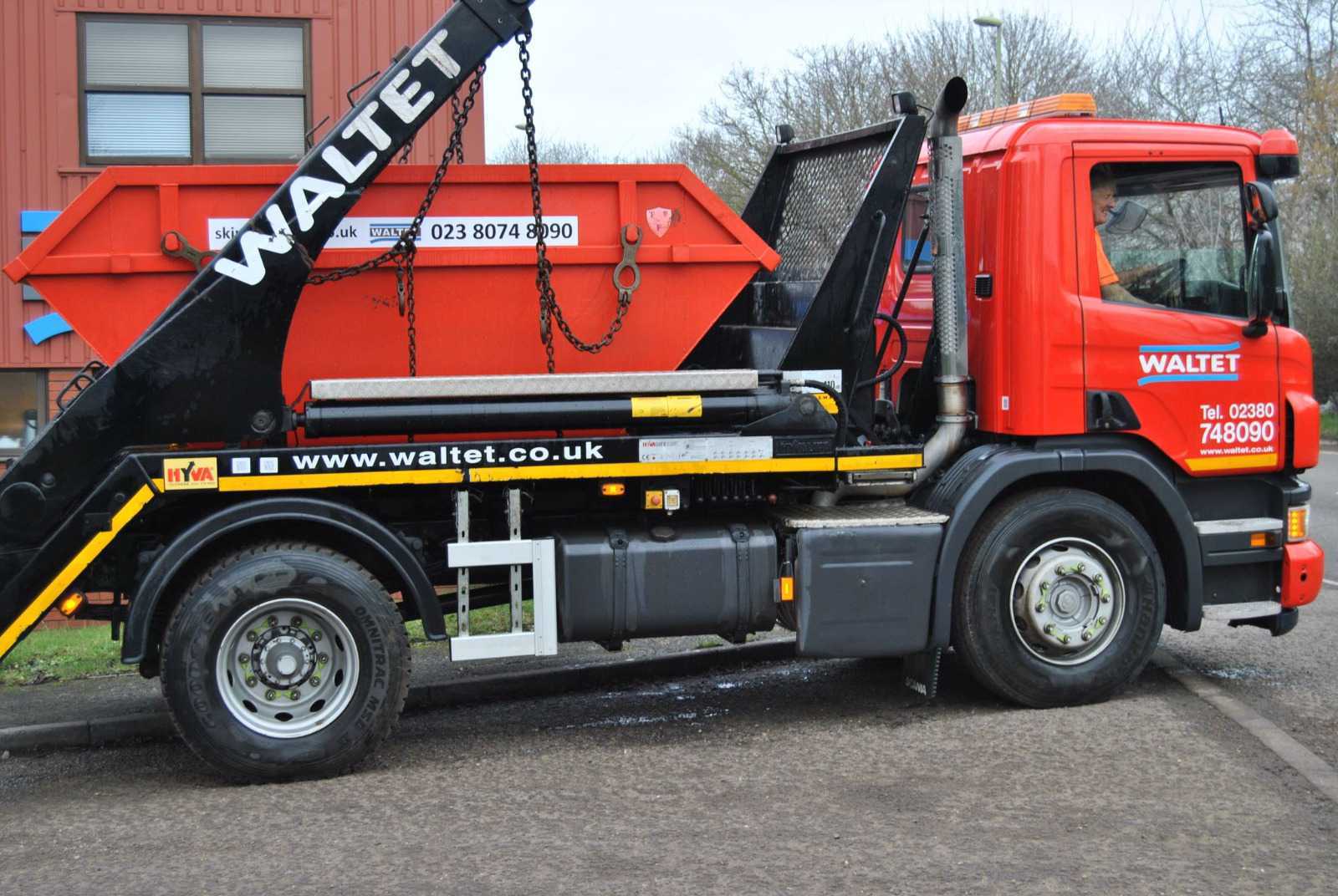
Whether you are renovating a home, clearing a property, managing a construction site or organising a commercial refurbishment, hiring a skip can make waste removal considerably easier. But booking the first skip you find without considering size, location, waste type or permits can result in unnecessary costs and delays.
For anyone looking for skip hire in Southampton, a little planning can make a significant difference. Choosing the correct skip, understanding what can go inside it and deciding where it will be positioned will help ensure your waste is removed safely, legally and efficiently.
This guide covers the key things you should know before booking skip hire in Southampton, helping homeowners, builders and businesses make the right decision from the start.
1. Start by Understanding What Waste You Need to Remove
Before choosing a skip, think carefully about the type of waste your project will generate.
Different projects produce very different waste streams. A bathroom renovation may generate tiles, fittings and packaging, while a construction project could produce bricks, concrete, timber and other building materials.
Typical skip hire customers in Southampton include:
- Homeowners completing renovations
- Builders and tradespeople
- Property developers
- Landscaping contractors
- Commercial businesses
- Property and facilities managers
- Landlords carrying out property clearances
Knowing what you intend to dispose of helps your waste provider recommend an appropriate solution and prevents problems when your skip is collected.
2. Choose the Right Skip Size
One of the most important decisions when booking Skip Hire Southampton is selecting the correct skip size.
Going too small may appear cheaper initially, but if you need another skip or additional collection, the total cost can increase.
Going too large creates the opposite problem. You may end up paying for capacity that you never actually use.
The right size depends on your project and expected waste volume.
Smaller skips can work well for household clearances and minor renovation work, while builders’ skips are commonly used for larger refurbishments and construction projects. Higher-volume options may be more appropriate for commercial sites and major clearances.
If you are unsure, describe your project to the skip hire company rather than simply guessing a size.
3. Think About Where the Skip Will Be Positioned
Where will the skip actually go?
This is an important question that is sometimes overlooked until the delivery vehicle arrives.
Ideally, a skip should be placed on suitable private land, such as a driveway or designated area within a construction site. The location needs to provide safe access for delivery and subsequent collection.
Consider:
- Width of the access
- Parked vehicles
- Gates and walls
- Overhead cables or trees
- Space required by the delivery vehicle
- Access needed by workers or residents
- Whether the ground can safely accommodate the skip
For construction sites, good skip positioning can also improve productivity. Placing waste containers close to areas where waste is being generated reduces unnecessary handling and keeps working areas clearer.
4. You May Need a Skip Permit in Southampton
If you cannot position the skip on private land and need to place it on a public highway, permission will normally be required.
This is commonly known as a skip permit.
Roadside skips may also require additional safety measures, such as appropriate markings, lighting or other precautions depending on the location and applicable requirements.
Permit arrangements can take time, so they should not be left until the day you need your skip.
For Waltet customers, an on-road skip permit should be allowed around five working days and is chargeable. Planning this in advance can help prevent your project being delayed while you wait for the necessary arrangements.
5. Check What You Can and Cannot Put in the Skip
A skip is extremely versatile, but that does not mean every type of waste can be placed inside one.
Standard skips can generally accommodate many common non-hazardous materials generated by building, renovation and clearance projects.
However, certain materials require specialist handling.
Items that may be restricted or require separate arrangements include:
- Asbestos
- Chemicals and solvents
- Paints
- Batteries
- Gas cylinders
- Certain electrical equipment
- Other hazardous materials
Never assume an unusual material can simply be placed in the skip.
If you are uncertain, ask before loading it. Separating restricted materials at the beginning is far easier than having to remove them from a full skip later.
6. Don’t Overfill Your Skip
It can be tempting to squeeze a little more into a skip, particularly towards the end of a project.
However, an overloaded skip can become unsafe to transport.
Waste should remain within the permitted fill level and should not be piled excessively above the sides.
Overfilling can result in collection delays and may require waste to be removed before the skip can safely leave the site.
A better approach is to estimate your waste realistically when booking. If you expect substantial volumes, selecting a larger skip from the outset can be more efficient than trying to overload a smaller one.
7. Consider How Long You Need the Skip
Not every project works to the same schedule.
A household clearance might only need a skip for a short period, whereas a building project could generate waste continuously over several weeks.
Before booking, consider:
- When the waste will start being generated
- How quickly the skip is likely to fill
- When you expect collection to be required
- Whether you may need an exchange skip
For commercial and construction projects, scheduling collections around key stages can help prevent overflowing skips and site congestion.
Waste removal should support your project programme rather than interrupt it.
8. Think About Recycling, Not Just Disposal
What happens after your skip is collected matters.
Responsible skip hire should not simply move waste from your property to somewhere else. Materials should be sorted and recovered wherever practical.
Waltet’s waste disposal and recycling facility at Bunny Lane in Romsey uses specialist equipment to separate materials for recovery and recycling. Waltet recycles on average nearly 90% of the waste it processes, helping minimise the amount sent to landfill.
Construction and commercial waste may contain valuable recoverable materials, including:
- Wood
- Metal
- Concrete
- Brick
- Soil and inert materials
- Cardboard and other recyclable materials
Choosing a recycling-led waste company allows your project to support more responsible resource use while ensuring waste is handled through an appropriate facility.
9. Make Sure You Use a Licensed Waste Carrier
Price should never be the only consideration when choosing skip hire.
Anyone transporting controlled waste as part of a business must operate in accordance with relevant waste regulations. As the person or business producing the waste, you also have responsibilities for ensuring it is transferred appropriately.
Using an established, licensed waste management provider gives you greater confidence that your waste will be transported and processed responsibly.
This is particularly important for commercial organisations and construction companies, where waste compliance forms part of broader environmental responsibilities.
10. Ask What Happens to Your Waste
One of the simplest questions you can ask a skip hire provider is:
Where does my waste go after collection?
A responsible provider should be able to explain how waste is processed and what happens to recyclable materials.
At Waltet’s Romsey facility, incoming waste is screened and segregated for recovery or recycling. Suitable materials can then be returned to productive use rather than unnecessarily sent to landfill.
This approach helps support a more circular model of construction and waste management.
Skip Hire for Home Renovations in Southampton
Renovation projects are one of the most common reasons homeowners need a skip.
Kitchen replacements, bathroom refurbishments, extensions, loft conversions and full property renovations can all generate substantial amounts of waste.
Having a skip available allows waste to be removed from working areas as the project progresses.
This can help:
- Keep the property organised
- Reduce piles of debris
- Improve access for trades
- Save repeated journeys for waste disposal
- Make the final clearance easier
Booking the skip before major work begins means there is somewhere suitable for waste from day one.
Skip Hire for Southampton Construction Sites
Construction sites require a more structured approach.
Waste volumes can change significantly between groundwork, structural, installation and finishing phases. One skip arrangement may therefore not be appropriate for the entire project.
Construction teams should consider whether they need:
- Regular skip exchanges
- Different containers for separate waste streams
- Grab hire for bulk materials
- Muckaway for excavation waste
- Larger waste containers for high-volume phases
Combining different waste services can often be more efficient than relying on skips for every material.
Commercial Skip Hire in Southampton
Skip hire is equally valuable for Southampton businesses.
Commercial uses can include:
- Office refurbishments
- Retail fit-outs
- Warehouse clearances
- Property maintenance
- Facility management
- Commercial landscaping
- Building works
For businesses producing waste regularly, collections can be planned around operational requirements to minimise disruption.
A professional waste partner can also help businesses understand appropriate waste segregation and recycling opportunities.
Skip Hire or Grab Hire?
A skip is not always the most efficient option.
If you are removing large quantities of soil, rubble or hardcore, grab hire may provide a faster solution. A grab lorry can collect bulk material directly, avoiding the need to keep a skip on site while it is manually filled.
Skip hire is generally well suited to projects where waste accumulates over time.
Grab hire can be particularly useful when a large quantity of suitable material is already stockpiled and ready for removal.
Understanding the difference can prevent you from paying for the wrong waste solution.
Why Choose a Local Southampton Waste Provider?
Working with a waste management company serving Southampton and the wider Hampshire area can provide practical advantages.
Local knowledge can support:
- Reliable delivery planning
- Efficient collections
- Understanding of local project requirements
- Access to complementary waste services
- Shorter journeys to appropriate processing facilities
Waltet provides waste management services across Southampton and Hampshire, supported by its recycling operation in nearby Romsey.
For projects requiring more than skip hire, services such as grab hire, muckaway and aggregate supply can also form part of a broader waste and materials strategy.
Quick Checklist Before Booking Skip Hire in Southampton
Before confirming your booking, ask yourself:
- What type of waste am I disposing of?
- Approximately how much waste will I generate?
- What skip size is most appropriate?
- Where will the skip be positioned?
- Will it need to go on a public road?
- Do I need to allow time for a permit?
- Are there any restricted materials?
- How long will I need the skip?
- Will I require an exchange?
- How will the waste be recycled after collection?
Answering these questions before booking can save considerable time and prevent unexpected problems later.
Frequently Asked Questions About Skip Hire Southampton
Do I need a permit for a skip in Southampton?
If your skip needs to be positioned on a public road, a permit will generally be required. For Waltet’s on-road skip arrangements, allow approximately five working days and remember that the permit is chargeable.
What size skip do I need?
The right size depends on the amount and type of waste your project will generate. Explain your project when booking so the provider can help you select a suitable option.
Can I put everything into a skip?
No. Hazardous and certain specialist waste types cannot be placed in a standard skip. Always check before disposing of materials such as asbestos, chemicals or other potentially hazardous waste.
What happens to my waste after collection?
With Waltet, waste is taken for processing, where suitable materials are screened and segregated for recovery and recycling. The company recycles on average nearly 90% of the waste it handles.
Can businesses and builders hire skips in Southampton?
Yes. Skip hire can support domestic, construction and commercial projects, with waste solutions tailored to different volumes and project requirements.
Conclusion: Plan Before You Book
Booking skip hire in Southampton should be straightforward, but making the right decisions beforehand can save time, reduce unnecessary costs and prevent delays.
Start by understanding your waste, selecting the right skip size and deciding where the skip will be positioned. If it needs to go on the road, factor the permit process into your schedule. Most importantly, choose a responsible waste provider that can explain where your waste goes and how recyclable materials are recovered.
Whether you’re clearing a Southampton property, renovating your home, managing a commercial refurbishment or running a construction site, good waste planning makes the entire project easier.
With Waltet’s local waste management experience and recycling facilities in Hampshire, you can arrange a waste solution suited to your project while ensuring materials are handled responsibly.