Construction in 2026 is no longer judged solely on speed, cost, and final finish. Today, contractors, developers, and commercial clients are under growing pressure to build in ways that are more sustainable, efficient, and environmentally responsible. As material costs continue to rise and sustainability targets become more demanding, the construction industry is increasingly looking for practical solutions that balance performance with long-term value.
One of the smartest changes many projects are making is switching to recycled aggregates. Across Hampshire, recycled aggregates are becoming a preferred material for groundworks, drainage, sub-bases, backfilling, and a wide range of commercial and domestic applications. They offer a cost-effective, reliable, and sustainable alternative to primary quarried materials while supporting modern construction goals.
For businesses and contractors looking to build more responsibly in 2026, recycled aggregates in Hampshire are no longer just an option. They are also a smarter choice for modern construction.
What Are Recycled Aggregates?
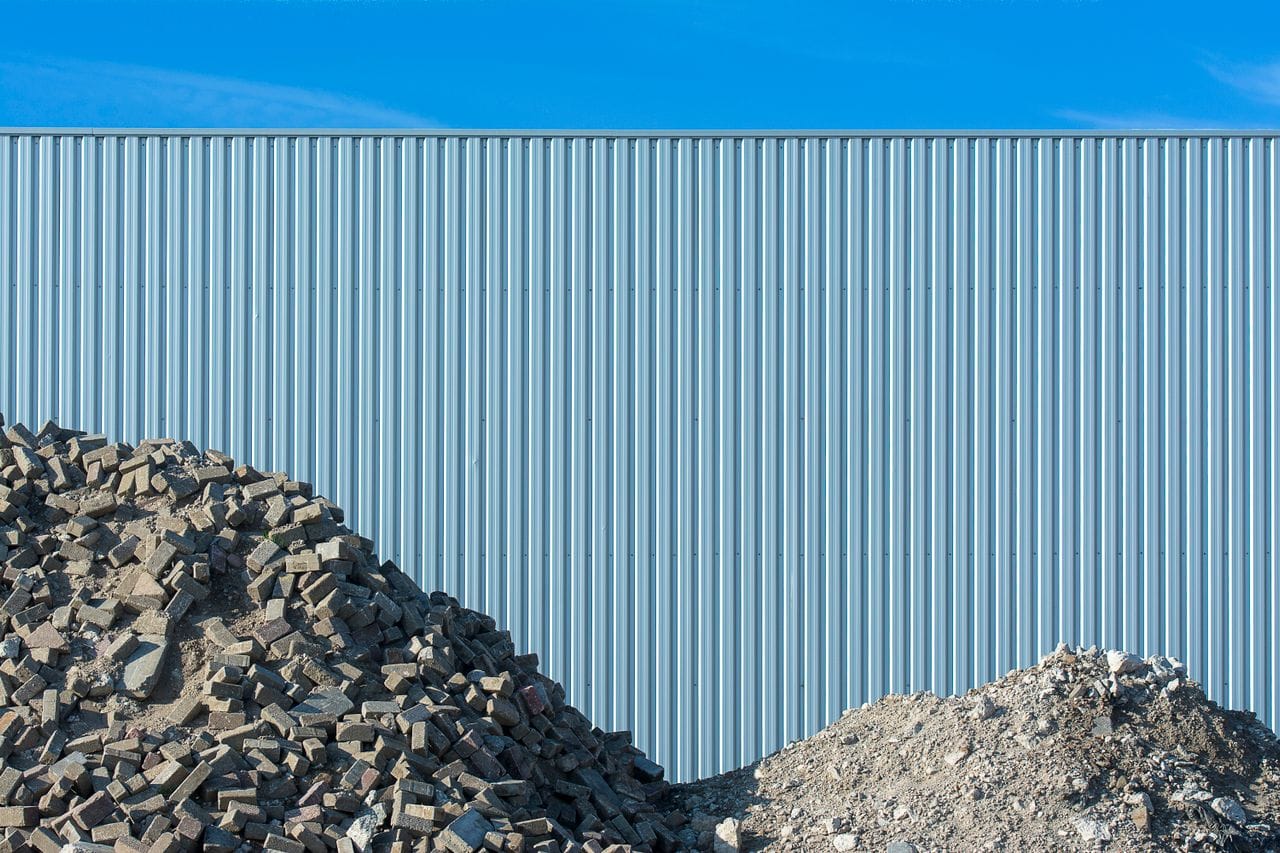
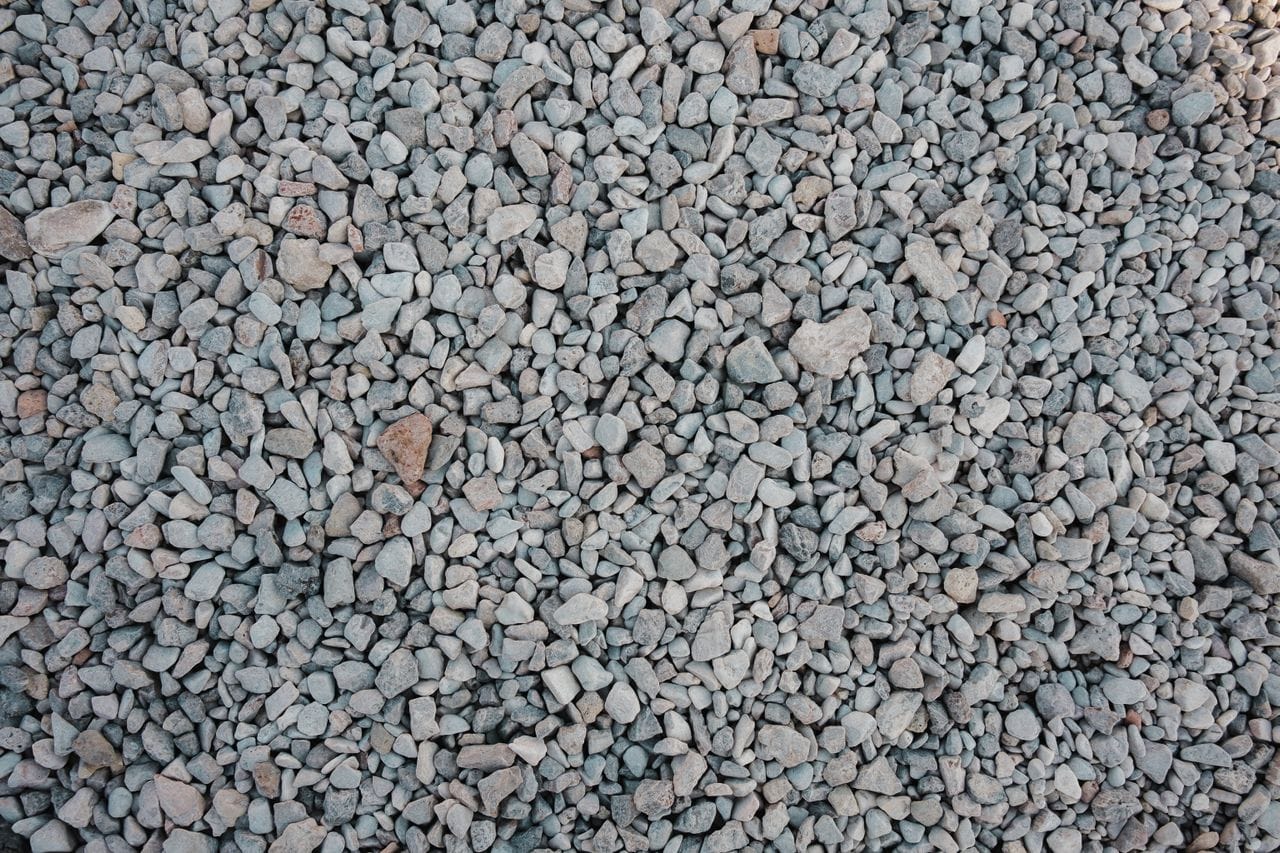
Recycled aggregates are materials recovered from construction, demolition, and excavation waste that have been processed and prepared for reuse in new building projects. Instead of sending concrete, brick, rubble, and hardcore to landfill, these materials are screened, crushed, sorted, and repurposed into usable aggregate products.
Common sources of recycled aggregates include:
- Crushed concrete
- Brick and block waste
- Hardcore from demolition projects
- Inert excavation materials
- Reclaimed site waste processed through recycling facilities
Once processed to the appropriate specification, these materials can be used in many of the same applications as primary aggregates.
Why Recycled Aggregates Matter More in 2026
The role of recycled aggregates has grown significantly as construction businesses face increasing pressure to reduce waste, lower carbon impact, and improve resource efficiency. In 2026, this shift is being driven by several key factors.
Rising Sustainability Expectations
Construction clients, local authorities, and commercial developers are placing greater emphasis on sustainable procurement and waste reduction. Recycled materials help projects align with environmental targets and circular economy principles.
Increasing Material Costs
Primary aggregates are subject to extraction, transport, and supply chain pressures. Recycled aggregates often offer a more cost-effective alternative while maintaining reliable performance for many applications.
Landfill Reduction and Waste Recovery
Construction waste can no longer be treated as a by-product to be removed and forgotten. In 2026, businesses are expected to recover and reuse materials wherever possible. Recycled aggregates turn waste into a valuable construction resource.
Pressure to Build Smarter
Modern construction is about more than simply completing a project. It is about delivering efficiency, controlling costs, and reducing environmental impact at every stage. Recycled aggregates support all three.
The Key Benefits of Recycled Aggregates
1. A More Sustainable Construction Material
One of the biggest advantages of recycled aggregates is their environmental benefit. Every tonne of recycled material used in place of virgin aggregate helps reduce the demand for quarrying and lowers the amount of construction waste sent to landfill.
This supports more sustainable construction by:
- Reducing landfill dependency
- Conserving natural resources
- Supporting circular economy practices
- Lowering the environmental impact of material extraction
For businesses aiming to improve sustainability performance, recycled aggregates offer a simple but effective way to make progress.
2. Cost-Effective Without Compromising Practicality
Construction budgets remain under pressure, and material choices can have a significant impact on project costs. Recycled aggregates are often more affordable than primary materials, particularly for bulk applications such as:
- Sub-base layers
- Site levelling
- Fill material
- Access roads
- Hardstanding areas
For many projects, this cost saving can be achieved without sacrificing practicality or performance for the intended use.
3. Supports Waste Reduction and Recycling Targets
Using recycled aggregates is one of the clearest ways to demonstrate that construction waste is being recovered and reused effectively. Rather than disposing of inert materials, they are processed into a useful product that can be returned to the construction cycle.
This helps businesses:
- Improve recycling rates
- Reduce landfill use
- Support sustainability reporting
- Meet environmental and tender requirements
4. Locally Available for Hampshire Projects
Local sourcing is becoming a major priority in modern construction. Transporting materials over long distances increases both costs and carbon emissions.
For projects across Hampshire, using locally produced recycled aggregates provides several advantages:
- Faster delivery times
- Reduced transport costs
- Lower environmental impact
- Better availability for repeat supply
This makes recycled aggregates a practical and efficient choice for contractors working across Southampton, Romsey, Winchester, Portsmouth, and the wider Hampshire area.
Where Recycled Aggregates Are Commonly Used
Recycled aggregates are highly versatile and suitable for a wide range of applications across construction, groundworks, landscaping, and commercial development.
Typical uses include:
Sub-Base for Roads, Paths and Driveways
Crushed recycled aggregate is commonly used as a stable base for roads, car parks, pathways, and driveways.
General Fill and Backfilling
Recycled materials are often used to fill voids, level sites, and backfill around foundations or drainage works also.
Hardstanding and Temporary Access Routes
Construction sites frequently use recycled aggregates to create stable surfaces for machinery, storage, as well as temporary access roads.
Drainage and Groundworks
Depending on grading and material type, recycled aggregates can be used in certain drainage and groundwork applications.
Landscaping and External Works
Recycled aggregates can also be used in landscaping schemes, pathways, and groundwork preparation for external developments.
Recycled vs Primary Aggregates: What’s the Difference?
For many construction buyers, the key question is whether recycled aggregates can genuinely replace primary aggregates. The answer depends on the application.
Primary Aggregates
These are newly quarried materials such as crushed stone, gravel, and sand. They are often used where specific engineering or structural specifications are required.
Recycled Aggregates
These are recovered and processed from construction waste. They are particularly suitable for general construction, groundworks, site preparation, sub-bases, and non-structural applications.
In many cases, recycled aggregates offer a practical, cost-effective solution without the environmental impact associated with virgin extraction.
The best option depends on the project specification, load requirements, and intended use.
The Role of Recycling Facilities in Aggregate Supply
High-quality recycled aggregates depend on professional recycling operations. Construction waste must be processed correctly to ensure the resulting materials are clean, graded, and also suitable for reuse.
This typically involves:
- Screening waste on arrival
- Separating reusable materials
- Crushing inert waste
- Washing and grading materials where necessary
- Producing aggregates to recognised standards
Modern recycling facilities play a crucial role in turning waste into usable products, as well as helping construction businesses access sustainable materials without compromising on reliability.
Why Recycled Aggregates Support Smarter Construction in Hampshire
For modern construction businesses, smarter building means more than simply choosing the cheapest materials. It means considering long-term efficiency, environmental responsibility, and practical project performance also.
Recycled aggregates support this by helping contractors and developers:
- Reduce material costs
- Improve recycling and waste recovery rates
- Support sustainability commitments
- Lower environmental impact
- Source materials locally and efficiently
As construction expectations continue to evolve, these advantages are becoming increasingly valuable.
Things to Consider When Ordering Recycled Aggregates
Before ordering recycled aggregates, it is worth considering:
- The intended use of the material
- Required grading or specification
- Quantity needed across the project
- Delivery access and timing
- Whether the material is suitable for the project’s engineering requirements
Working with a knowledgeable local supplier helps ensure you receive the right product for the right application.
Why Recycled Aggregates Are a Smarter Choice in 2026
Construction in 2026 is about building responsibly, managing resources efficiently, and making better long-term decisions. Recycled aggregates align perfectly with these priorities.
They offer a practical way to reduce waste, control costs, improve sustainability, and support circular construction practices. Moreover for the projects across Hampshire, they are helping builders, developers, and contractors move away from outdated waste habits and towards smarter material use.
Conclusion
Recycled aggregates are no longer just an alternative to primary materials. In many cases, they are the smarter choice. For Hampshire construction projects looking to balance performance, cost, and sustainability, recycled aggregates also offer a practical and forward-thinking solution.
As the construction industry continues to evolve in 2026, businesses that embrace recycled materials will be better placed to meet environmental targets, control project costs, and also build more responsibly.
For contractors, developers, and commercial clients across Hampshire, recycled aggregates represent more than a material choice. They represent a smarter way to build.