Choosing the right aggregates is one of the most important decisions in any construction, landscaping, or civil engineering project. Whether you’re building a new housing development, preparing foundations, installing drainage, or constructing access roads, the quality and type of aggregate you use can influence the performance, durability, cost, and environmental impact of the finished project.
One of the most common questions contractors, developers, and homeowners ask is whether they should use primary aggregates or recycled aggregates. Both have important roles in modern construction, but they are designed for different applications and project requirements.
As sustainability becomes a greater priority in 2026, understanding the differences between these materials will help you make informed decisions that balance performance, budget, and environmental responsibility.
What Are Primary Aggregates?
Primary aggregates are naturally occurring materials extracted from quarries or natural deposits. They are processed into different grades and sizes before being supplied for construction use.
Common primary aggregates include:
- Building sand
- Sharp sand
- Gravel
- Limestone
- Crushed stone
- Shingle
Because these materials come directly from natural sources, they offer consistent quality and predictable performance, making them suitable for projects where specific engineering or construction standards must be achieved.
What Are Recycled Aggregates?
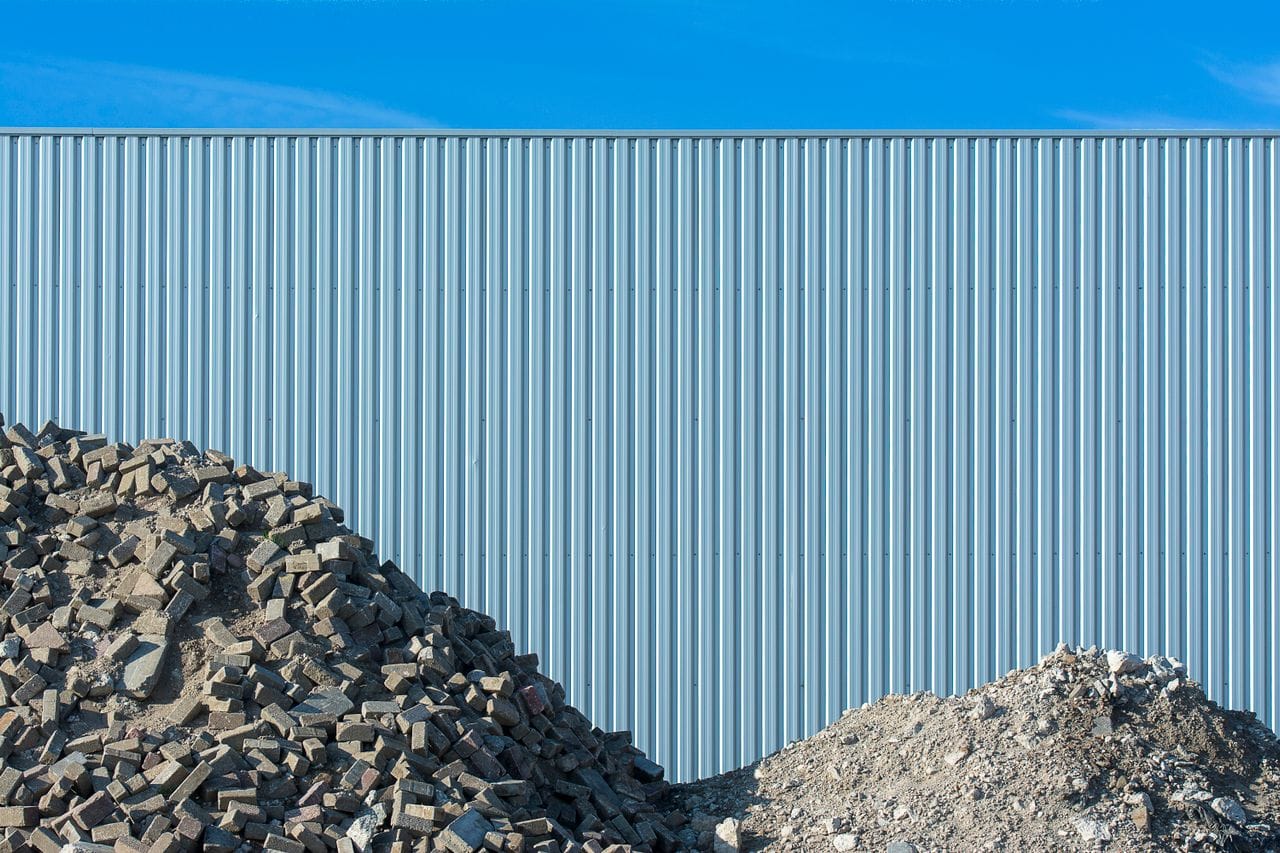
Recycled aggregates are produced by processing construction and demolition waste that would otherwise be sent to landfill.
Materials commonly recycled include:
- Concrete
- Bricks
- Hardcore
- Stone
- Excavation materials
After screening, crushing and grading, these materials become suitable for reuse in many construction and groundwork applications.
Recycled aggregates help reduce waste while giving construction materials a second life, supporting more sustainable building practices.
The Main Differences Between Primary and Recycled Aggregates
Although both materials are widely used across the construction industry, they differ in origin, environmental impact, and typical applications.
| Primary Aggregates | Recycled Aggregates |
|---|---|
| Extracted from natural sources | Produced from processed construction waste |
| Consistent natural material | Recovered and recycled material |
| Suitable for specification-led projects | Ideal for many groundwork and sub-base applications |
| Higher demand for natural resources | Supports circular economy and landfill reduction |
| Commonly used where engineering specifications require virgin material | Often chosen for cost savings and sustainability benefits |
Neither option is universally better. The correct choice depends entirely on the needs of your project.
When Should You Choose Primary Aggregates?
Primary aggregates remain the preferred choice where consistency and material specification are particularly important.
They are commonly used for:
Concrete Production
Concrete requires carefully controlled materials to achieve the desired strength and performance.
Mortar and Bricklaying
Building sand and other primary materials provide the consistency needed for high-quality mortar production.
Drainage Applications
Certain drainage systems require specific aggregate grades to maintain water flow and long-term performance.
Highway and Infrastructure Projects
Road construction and major civil engineering schemes often specify primary aggregates to meet engineering standards.
Decorative Landscaping
Natural gravel and decorative stone remain popular choices for pathways, driveways, and external landscaping.
When Are Recycled Aggregates the Better Choice?
Recycled aggregates are increasingly popular because they provide excellent value while supporting sustainability objectives.
Typical applications include:
- Sub-base for roads and driveways
- General fill
- Hardstanding
- Site levelling
- Backfilling
- Temporary access roads
- Groundworks
For many non-structural applications, recycled aggregates provide reliable performance while reducing material costs.
Sustainability Considerations
One of the biggest advantages of recycled aggregates is their contribution to sustainable construction.
Using recycled materials helps:
- Reduce landfill waste
- Lower demand for quarrying
- Preserve natural resources
- Support circular economy principles
- Reduce the environmental impact of construction projects
As environmental expectations continue to increase in 2026, recycled aggregates are becoming an important part of responsible construction.
However, sustainability is not simply about replacing every primary aggregate with recycled material.
Using the right material for the right application remains the most sustainable approach.
Cost Comparison
Cost is often an important factor when selecting construction materials.
In many cases, recycled aggregates offer lower purchase costs because they are produced from recovered materials rather than newly extracted resources.
Primary aggregates may have higher production costs due to quarrying, processing and transportation.
However, price should never be the only consideration.
Choosing an unsuitable material can result in:
- Additional labour
- Rework
- Delays
- Increased long-term maintenance
Selecting the correct aggregate for the application usually delivers the best overall value.
Performance and Reliability
Both aggregate types perform well when used appropriately.
Primary aggregates provide:
- Consistent grading
- Predictable performance
- Reliable material quality
Recycled aggregates provide:
- Excellent performance for suitable applications
- Reliable compaction
- Sustainable material recovery
Modern recycling processes have significantly improved the quality of recycled aggregates, making them suitable for a growing range of construction uses.
Which Material Is Right for Your Project?
The answer depends on several factors.
Consider:
- What is the aggregate being used for?
- Does the project specification require virgin materials?
- Is sustainability a project priority?
- What is the available budget?
- Are recycled materials suitable for the intended application?
Discussing your project with an experienced aggregate supplier can help ensure the correct material is selected from the outset.
Why Local Supply Matters
Whether you choose primary or recycled aggregates, working with a local Hampshire supplier offers significant advantages.
These include:
- Faster deliveries
- Better availability
- Reduced transport distances
- Improved project scheduling
- Local product knowledge
Reliable supply helps prevent material shortages that could delay construction work.
Combining Primary and Recycled Aggregates
Many successful construction projects use both material types.
For example:
- Primary aggregates for drainage and concrete production.
- Recycled aggregates for sub-bases and general fill.
This balanced approach allows projects to meet engineering requirements while reducing environmental impact and controlling costs.
The Future of Aggregates in Construction
As the construction industry continues to focus on sustainability, recycled aggregates will play an increasingly important role.
At the same time, primary aggregates will remain essential for applications where material specifications and engineering performance are critical.
Rather than competing, these two material types complement one another.
The future of construction lies in selecting the right material for each application, maximising both performance and environmental responsibility.
Frequently Asked Questions
Are recycled aggregates as strong as primary aggregates?
For many groundwork, sub-base and fill applications, recycled aggregates perform extremely well. However, some projects require primary aggregates to meet engineering specifications.
Which aggregates are more environmentally friendly?
Recycled aggregates generally have a lower environmental impact because they reuse existing construction materials and reduce landfill waste.
Are recycled aggregates cheaper?
They are often more cost-effective than primary aggregates, although pricing varies depending on specification and availability.
Can both aggregate types be used on the same project?
Yes. Many construction projects successfully combine primary and recycled aggregates depending on the specific application.
How do I know which aggregate I need?
The correct choice depends on your project specification, intended use and engineering requirements. A professional aggregate supplier can recommend the most suitable option.
Conclusion
Primary and recycled aggregates both play an essential role in modern construction. Primary aggregates provide consistency and dependable performance where engineering specifications demand natural materials, while recycled aggregates offer a sustainable and cost-effective solution for many groundwork and site preparation applications.
The best choice is not about selecting one over the other. It is about understanding your project’s requirements and using the right material in the right place.
Whether you’re working on a residential development, commercial project, landscaping scheme or major infrastructure works, choosing suitable aggregates from a trusted Hampshire supplier will help keep your project efficient, compliant and built to last.