When choosing a waste management company, many businesses naturally focus on price. Finding a competitive quote is important, particularly when construction costs, labour expenses and operational overheads are already putting pressure on project budgets.
However, the cheapest waste management provider does not necessarily offer the best overall value. Poor communication, unreliable collections, unsuitable waste containers and inadequate recycling arrangements can create problems that cost considerably more than the initial saving.
For construction companies, property developers, commercial businesses and groundwork contractors across Hampshire, choosing the right waste management company is an important operational decision that can directly influence productivity, profitability and environmental performance.
Understanding the hidden costs of poor waste management can help your business make a more informed decision and avoid unnecessary disruption.
Why Choosing the Right Waste Management Company Matters
Waste management is often viewed as a straightforward service. A container is delivered, waste is collected and the materials are taken away for processing or disposal.
In reality, effective waste management involves careful planning, reliable transportation, appropriate equipment, regulatory compliance and responsible material recovery.
When these elements are not managed properly, the consequences can extend across the entire project.
A dependable waste management company should help your business:
- Maintain safe and organised working environments.
- Reduce unnecessary project delays.
- Manage waste disposal costs effectively.
- Meet relevant waste duty of care requirements.
- Improve recycling and material recovery opportunities.
- Coordinate waste collections around operational requirements.
- Identify suitable waste removal solutions for different materials.
Choosing a provider based solely on price may overlook these important considerations.
1. Unreliable Waste Collections Can Delay Your Entire Project
Construction projects depend on careful coordination between contractors, suppliers, machinery and material deliveries. When one activity is delayed, several others can be affected.
Waste collection is no exception.
Imagine a construction site where demolition work has been completed and a full skip is waiting to be collected. The next contractor arrives, but the working area cannot be accessed because the waste has not been removed.
What initially appears to be a minor collection delay can result in lost working hours, idle machinery and changes to the construction programme.
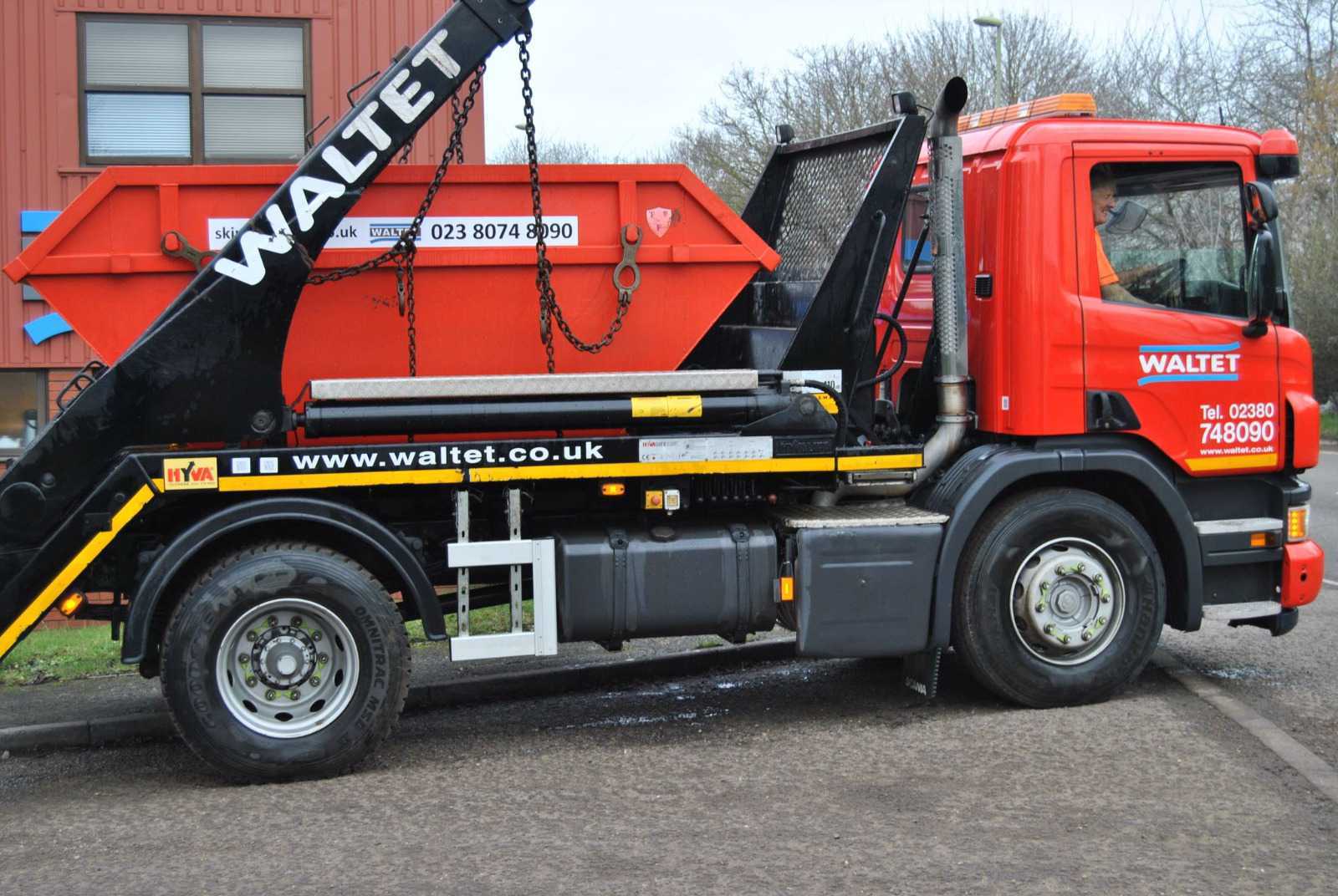
Reliable skip hire services can help contractors maintain sufficient waste capacity and arrange collections around important project stages.
For businesses operating under demanding deadlines, dependable waste collection arrangements can be just as important as the initial hire price.
2. Hidden Charges Can Increase Your Waste Management Costs
A low initial quote may appear attractive, but it is important to understand exactly what the price includes.
Waste management charges can vary depending on the type of waste, container size, location, weight and collection arrangements.
Potential additional costs may include:
- Overfilled or overloaded containers.
- Restricted materials placed in general waste skips.
- Additional collection or exchange requirements.
- Extended hire periods.
- Unsuccessful collections caused by access restrictions.
- Specialist waste handling requirements.
- Public highway skip permits.
These charges may be entirely justified, but businesses should understand the applicable terms before confirming a booking.
A professional waste management company should communicate pricing conditions clearly and help customers choose an appropriate service from the outset.
3. Poor Waste Management Can Reduce Site Productivity
Space is a valuable resource on any construction site. Workers need room to operate, machinery requires safe access, and materials need suitable storage areas.
When waste is allowed to accumulate, it can begin to interfere with these activities.
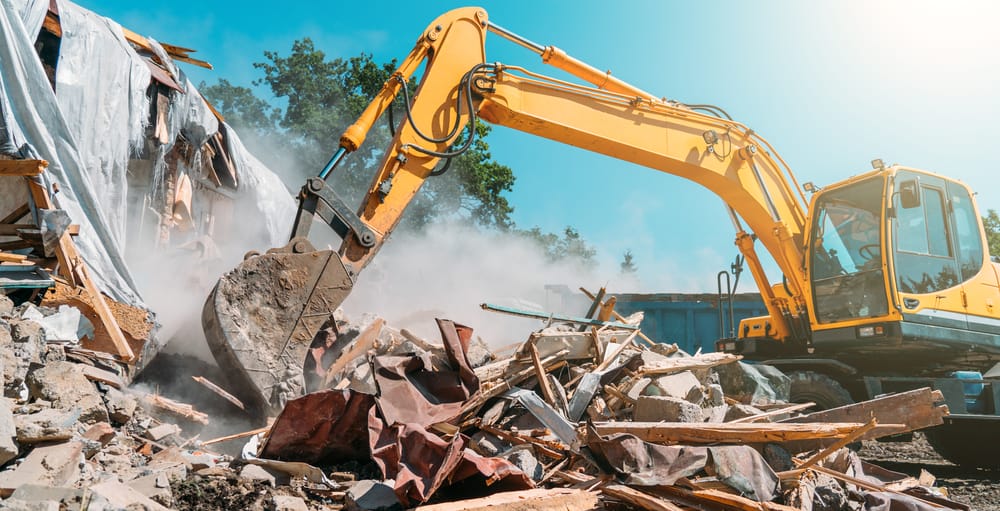
Excavated soil may occupy an area intended for drainage works. Demolition rubble may restrict vehicle movement. Full skips may prevent workers from disposing of additional materials.
The result is often additional handling, unnecessary movement and reduced productivity.
For projects generating substantial quantities of soil, rubble or hardcore, grab and tipper hire may provide a more practical solution than relying entirely on skips.
Choosing the correct waste removal method can help maintain usable site space and allow construction teams to concentrate on productive work.
4. Choosing the Wrong Waste Service Can Waste Money
Not every waste removal requirement should be managed in the same way.
A small residential refurbishment may only require a standard skip, while a major groundwork project could generate substantial quantities of excavated material that require a different collection method.
Using unsuitable equipment or services can lead to repeated collections, additional labour and avoidable expenditure.
| Waste Management Service | Typical Applications | Potential Benefits |
|---|---|---|
| Skip Hire | Renovations, property clearances and ongoing construction waste | Convenient on-site waste storage |
| Grab Hire | Accessible stockpiles of soil, rubble and hardcore | Reduced manual loading and efficient bulk collection |
| Tipper Hire | Bulk material transportation and suitable large-scale site operations | Efficient movement of substantial material volumes |
| Muckaway | Excavation and groundwork waste | Coordinated removal of excavated materials |
| Recycling Services | Suitable recoverable construction and commercial materials | Improved resource recovery and reduced reliance on landfill |
An experienced waste management provider can help identify which service is most appropriate based on the material, quantity, site conditions and project schedule.
For example, arranging muckaway services during excavation may be more efficient than arranging multiple skip exchanges for large quantities of suitable soil.
5. Inadequate Waste Management Can Create Legal Risks
Businesses in England have a legal duty of care when producing, storing, transporting or transferring controlled waste.
Choosing a waste management company does not automatically remove your responsibilities as a waste producer.
Businesses must take reasonable steps to ensure that their waste is handled appropriately and transferred to authorised organisations.
Depending on the circumstances, responsibilities may include:
- Checking that waste carriers hold the appropriate registration.
- Providing accurate descriptions and classifications of waste.
- Maintaining appropriate waste transfer documentation.
- Ensuring waste is stored safely and securely.
- Using suitably authorised waste processing or disposal facilities.
- Following additional requirements for hazardous waste where applicable.
Failure to meet relevant waste management obligations can expose businesses to enforcement action, financial penalties and reputational damage.
Working with an authorised and experienced waste management company can help businesses manage these responsibilities more effectively.
6. Poor Recycling Practices Can Affect Your Sustainability Goals
Environmental responsibility has become an increasingly important consideration for construction companies and commercial organisations.
Clients, developers and procurement teams may expect contractors to demonstrate how waste is managed, recovered and recycled throughout a project.
Choosing a waste provider without understanding its recycling arrangements could mean missing valuable opportunities to recover materials.
Construction and demolition waste can contain recoverable resources, including:
- Concrete and bricks.
- Metals.
- Timber.
- Cardboard.
- Hardcore.
- Suitable inert materials.
Waltet operates a waste disposal and recycling facility at Bunny Lane in Romsey, where suitable incoming waste materials can be sorted, processed and recovered.
Choosing a recycling-led waste management company can help businesses support circular economy principles, conserve resources and reduce unnecessary reliance on landfill.
7. Poor Waste Management Can Increase Health and Safety Risks
Construction sites naturally contain numerous operational hazards. Unmanaged waste can introduce additional risks that make the working environment more difficult to control.
Overflowing skips, loose rubble and poorly positioned stockpiles may create trip hazards, obstruct working areas or restrict access for vehicles.
Waste materials can also interfere with emergency access routes if they are not stored appropriately.
A well-planned waste management strategy should consider container positioning, collection frequency, waste segregation and safe vehicle access.
Keeping a construction site clear and organised is not simply about appearance. It supports safer working conditions and more efficient daily operations.
8. Your Business Reputation Could Be Affected
The way a business manages its waste can influence how clients, employees, local residents and other stakeholders perceive its operations.
A construction site surrounded by overflowing containers, loose debris and poorly managed waste can create a negative impression, regardless of the quality of the construction work taking place.
There can also be more serious reputational consequences if waste is transferred to unauthorised operators or disposed of unlawfully.
Responsible waste management demonstrates professionalism, environmental awareness and consideration for the surrounding community.
For businesses seeking repeat contracts and long-term commercial relationships, these qualities can be particularly valuable.
9. Limited Waste Services Can Create More Operational Complexity
Construction projects often require several different services throughout their lifetime.
A project may begin with demolition waste removal, progress to excavation and groundworks, require construction materials and later need general waste collections during refurbishment or finishing works.
Working with several independent suppliers is sometimes necessary, but it can also increase administrative responsibilities and make scheduling more complicated.
A waste management company offering a broader range of services can help simplify coordination.
Waltet provides waste management and construction support services including:
- Domestic and commercial skip hire.
- Grab and tipper hire.
- Muckaway and excavation waste removal.
- Waste recycling and material recovery.
- Primary and recycled aggregate supply.
- Portable toilets and welfare facilities.
- Road sweeper hire.
Having access to complementary services can make it easier to coordinate different project requirements as work progresses.
How Much Could Poor Waste Management Actually Cost Your Business?
The financial impact of poor waste management is not always visible on the original invoice.
Consider a hypothetical construction project where a delayed waste collection prevents four workers from continuing their scheduled activities for three hours.
If the estimated labour cost is £30 per worker per hour, the interruption could represent £360 in labour costs alone.
This does not include idle machinery, rescheduled deliveries, additional material handling or potential delays to subsequent contractors.
In this example, choosing a waste provider to save £50 on a collection could prove considerably more expensive if the service fails to meet the project’s operational requirements.
The figures are illustrative rather than actual Waltet prices, but they demonstrate why businesses should evaluate the overall value of waste management services rather than focusing exclusively on the initial quotation.
How to Choose a Reliable Waste Management Company
Before appointing a waste management provider, take time to evaluate whether the company can meet your specific operational requirements.
Check Waste Carrier Registration
Ensure the provider holds the appropriate waste carrier registration and uses suitably authorised waste facilities. Businesses can check registrations through the Environment Agency’s public registers.
Ask About Recycling Arrangements
Find out where your waste will be taken, how it will be processed and what opportunities exist for material recovery.
Evaluate the Range of Services
Consider whether the company offers the waste removal methods required for different stages of your project, including skip hire, grab hire and muckaway.
Understand the Pricing Structure
Ask what the quotation includes and whether additional charges could apply under particular circumstances.
Discuss Collection Requirements
Explain your expected waste volumes, project schedule and any time-sensitive requirements before confirming your arrangements.
Consider Local Experience
A company familiar with Southampton and the wider Hampshire area may be better positioned to understand local access considerations and coordinate practical collection arrangements.
Cheap Waste Management vs Good-Value Waste Management
There is nothing wrong with looking for competitive waste management prices. However, the lowest quotation should not automatically determine which company you appoint.
| Choosing on Price Alone | Choosing on Overall Value |
|---|---|
| Focuses primarily on the initial price | Considers total project costs |
| May overlook collection arrangements | Evaluates scheduling and communication |
| May overlook recycling arrangements | Considers environmental performance |
| May overlook additional charges | Reviews pricing terms in advance |
| May overlook service suitability | Selects services based on project requirements |
| Prioritises immediate savings | Supports long-term operational efficiency |
The objective should be to select a waste management company that provides suitable services at a competitive price while supporting the wider needs of your business.
Why Local Waste Management Matters in Hampshire
Construction and commercial projects across Hampshire benefit from waste management arrangements that reflect local conditions and operational requirements.
From residential developments in Southampton to commercial refurbishments and groundwork projects across Romsey, Winchester and the surrounding areas, different sites require different waste solutions.
Working with an established local provider can support effective communication, practical collection planning and access to complementary construction services.
Waltet combines waste collection, recycling and construction support services to help businesses manage different project requirements responsibly.
Whether you require a single skip or ongoing waste removal arrangements for a larger development, discussing your requirements early can help identify the most suitable approach.
Frequently Asked Questions About Choosing a Waste Management Company
What should I look for in a waste management company?
Look for appropriate waste carrier registration, clear pricing, suitable recycling arrangements, effective communication and a range of services that match your project’s requirements.
Is the cheapest waste management company always the best option?
No. Although competitive pricing is important, unreliable collections, unsuitable services and unexpected charges can increase overall project costs. Consider total value rather than the initial price alone.
Can poor waste management delay construction projects?
Yes. Delayed collections, full skips and accumulated excavation materials can restrict access, interrupt scheduled activities and affect subsequent construction stages.
How can businesses reduce their waste management costs?
Businesses can reduce avoidable costs by choosing appropriate waste containers, segregating materials where practical, scheduling collections in advance and selecting suitable removal methods for different waste streams.
Why is it important to choose a registered waste carrier?
Businesses have legal responsibilities when transferring waste. Checking that a waste carrier holds the appropriate registration is an important part of meeting waste duty of care obligations and reducing the risk of unlawful disposal.
Does Waltet provide commercial waste management services in Hampshire?
Yes. Waltet provides a range of waste management and construction support services, including skip hire, grab and tipper hire, muckaway and recycling, for projects across Southampton and Hampshire.
Conclusion: The Right Waste Management Company Is an Investment, Not Just an Expense
Choosing a waste management company is about much more than finding someone to remove unwanted materials.
The right provider can help businesses maintain organised working environments, manage operational costs, support recycling objectives and reduce avoidable project disruption.
By contrast, unreliable collections, unsuitable waste services and inadequate communication can create hidden costs that outweigh any initial savings.
For construction companies, developers and commercial businesses across Hampshire, working with an experienced waste management provider can form an important part of a more efficient and responsible operational strategy.
Waltet provides a comprehensive range of waste management, recycling and construction support services to meet different project requirements.
Looking for a waste management company that understands your project requirements? Contact Waltet today to discuss suitable waste management solutions for your business.